




Product Details
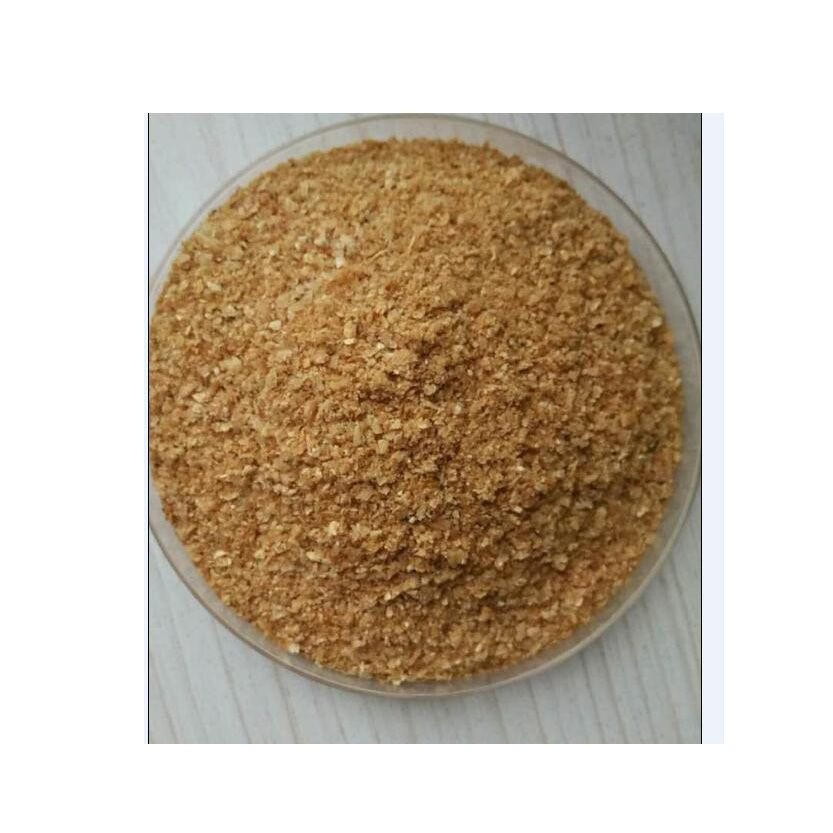
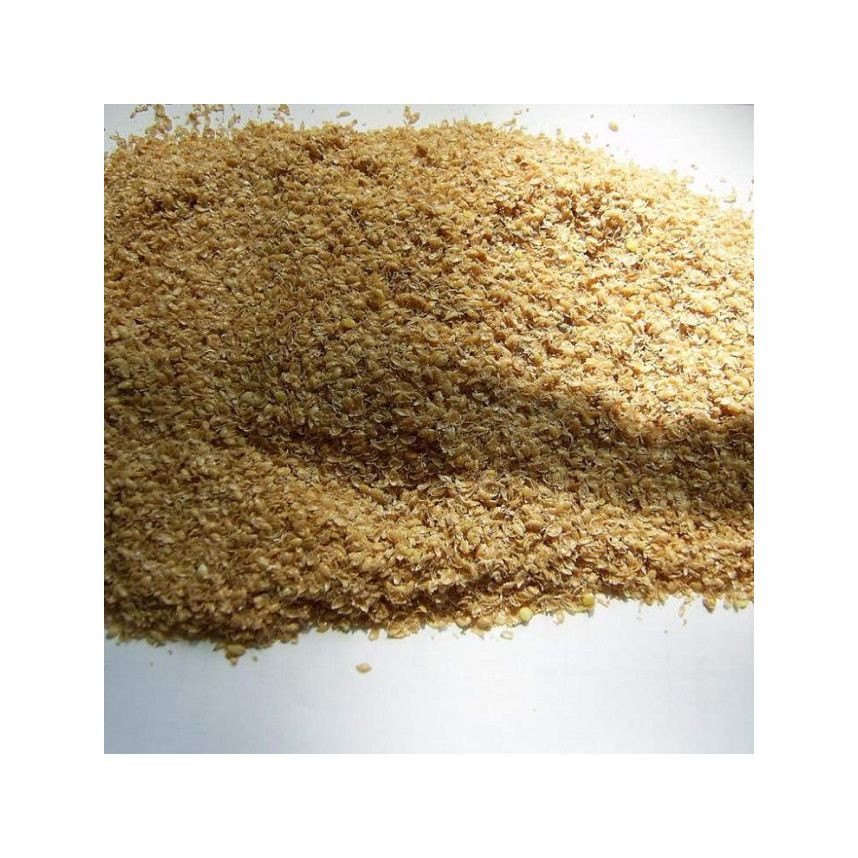
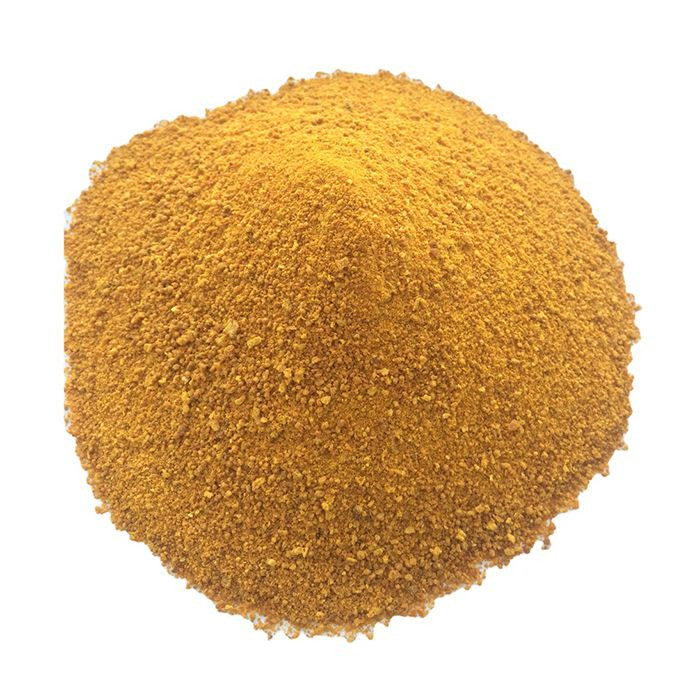
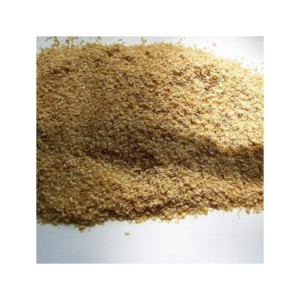
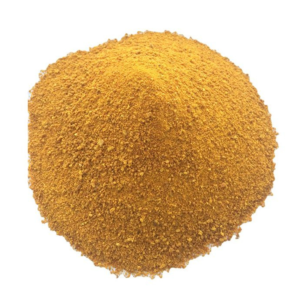
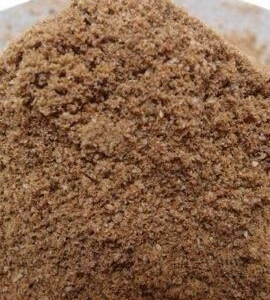
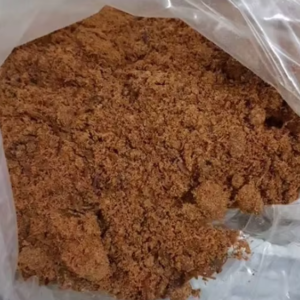
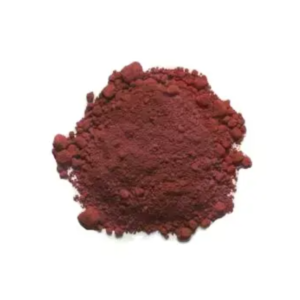
Fish meal is a high-protein feed ingredient used primarily in the aquaculture, poultry, and livestock industries. It is produced by cooking, pressing, drying, and grinding fish or fish by-products into a fine powder. Rich in essential nutrients, fish meal is valued for its high-quality protein content, essential amino acids, omega-3 fatty acids, vitamins, and minerals. It is an important component of animal feed formulations due to its nutritional benefits and ability to enhance growth and health in animals.
Production Process
- Raw Material selection:
- Fish meal is made from whole fish, fish by-products, or fish processing waste. Common fish species used include anchovies, menhaden, herring, and sardines, as well as offcuts from other commercial fish processing.
- Cooking:
- The raw fish material is cooked to coagulate the proteins and separate the oil and water from the solid matter.
- Pressing:
- After cooking, the mixture is pressed to remove water and oil. The liquid fraction (stickwater) contains dissolved proteins and nutrients and is often concentrated and added back to the fish meal.
- Drying:
- The solid fraction is then dried to a moisture content of about 10%, which helps preserve the fish meal and prevent spoilage.
- Grinding:
- Finally, the dried material is ground into a fine powder, resulting in the finished fish meal product.
Nutritional Profile
- Protein:
- Fish meal is exceptionally high in protein, typically ranging from 60% to 72%, depending on the source and processing methods. It contains a complete profile of essential amino acids, making it a high-quality protein source.
- Omega-3 Fatty Acids:
- Rich in omega-3 fatty acids, particularly EPA (eicosapentaenoic acid) and DHA (docosahexaenoic acid), fish meal is beneficial for the growth and health of animals. These fatty acids support immune function, reduce inflammation, and are crucial for neurological development.
- Vitamins and Minerals:
- Fish meal contains important vitamins such as B-complex vitamins (B12, niacin, riboflavin) and fat-soluble vitamins like A and D. It is also a good source of minerals, including calcium, phosphorus, selenium, and iodine.
- Other Nutrients:
- It also includes other beneficial compounds such as taurine and nucleotides, which play roles in metabolism and immune function.
Uses in Animal Nutrition
- Aquaculture:
- Fish meal is a critical component of aquafeed, providing the necessary nutrients for the growth and health of farmed fish and shrimp. It enhances feed efficiency, promotes faster growth, and improves the quality of the final product.
- Poultry:
- In poultry diets, fish meal is used to boost protein levels and provide essential fatty acids. It can improve growth rates, egg production, and the quality of poultry meat and eggs.
- Livestock:
- Fish meal is also included in the diets of pigs, cattle, and other livestock. It enhances growth performance, feed conversion efficiency, and overall health.
- Pet Food:
- Some pet food formulations, especially for dogs and cats, include fish meal as a protein source. It contributes to the palatability and nutritional value of the food.
Advantages and Considerations
- Nutritional Quality:
- Fish meal’s high protein content and balanced amino acid profile make it a superior ingredient in animal feeds, particularly where high-quality protein is required.
- Enhanced Growth and Health:
- The inclusion of fish meal in animal diets is associated with improved growth rates, better feed conversion, enhanced immune function, and overall better health.
- Sustainability Concerns:
- The production of fish meal can raise sustainability issues, particularly if sourced from overfished species or environmentally harmful practices. However, efforts are being made to source fish meal sustainably, using by-products and certified fisheries.
- Allergenic Potential:
- Fish meal can be allergenic to some animals and humans. Proper handling and processing can minimize these risks.
- Cost:
- Fish meal can be expensive compared to other protein sources due to the costs associated with its production and the variability of fish catch.
Storage and Handling
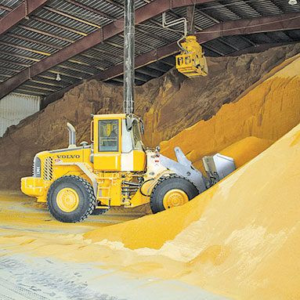
- Fish meal should be stored in a cool, dry place to prevent oxidation and spoilage. It is susceptible to rancidity if exposed to moisture and heat, which can degrade its nutritional quality and palatability.




Reviews
There are no reviews yet.